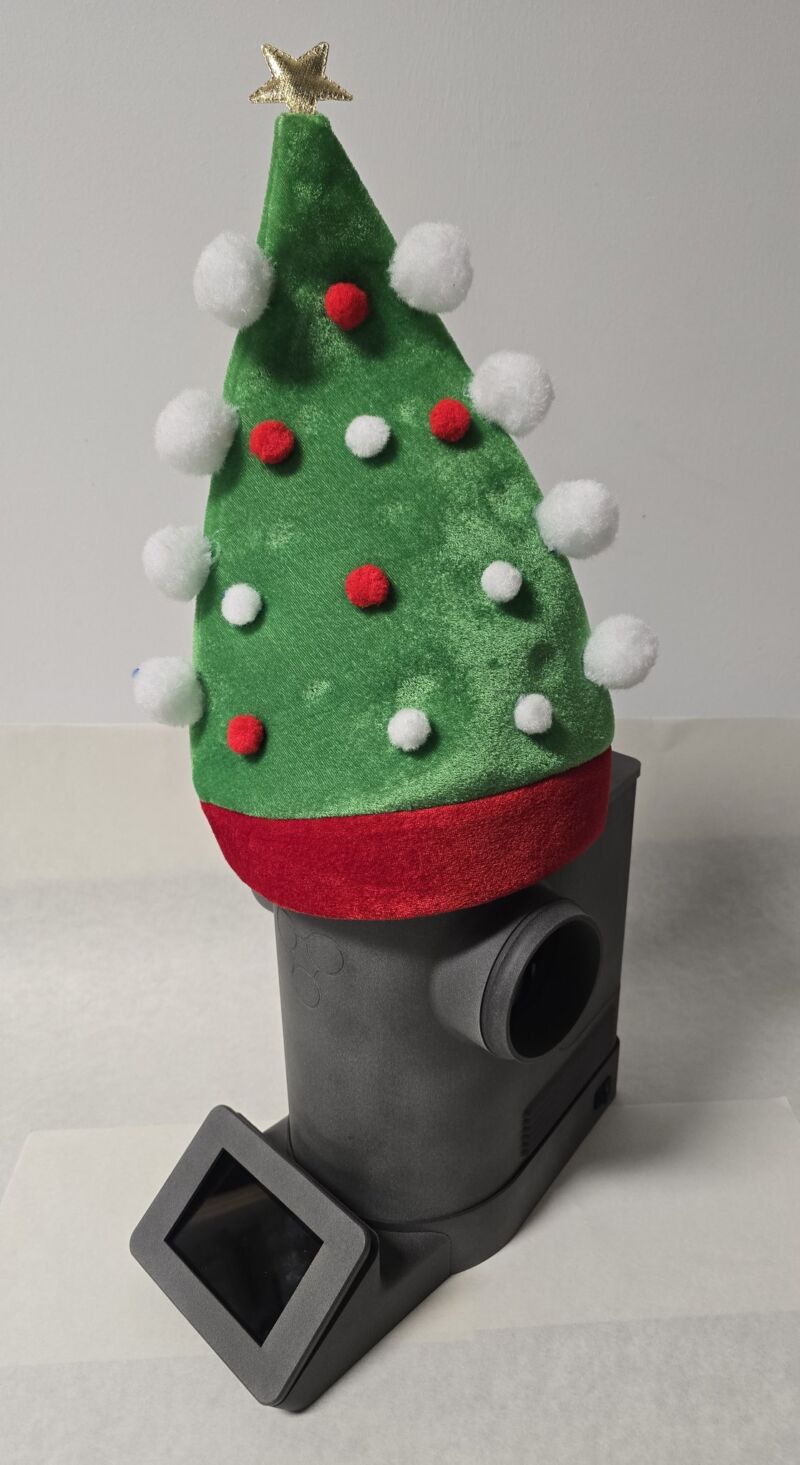








Merry Christmas and happy holidays from Photospinner to everyone! 🎄✨🎁 Wishing you joy, peace, and a bright end to the year. 🌟🔬 See you with more news in 2026! 🚀🎉
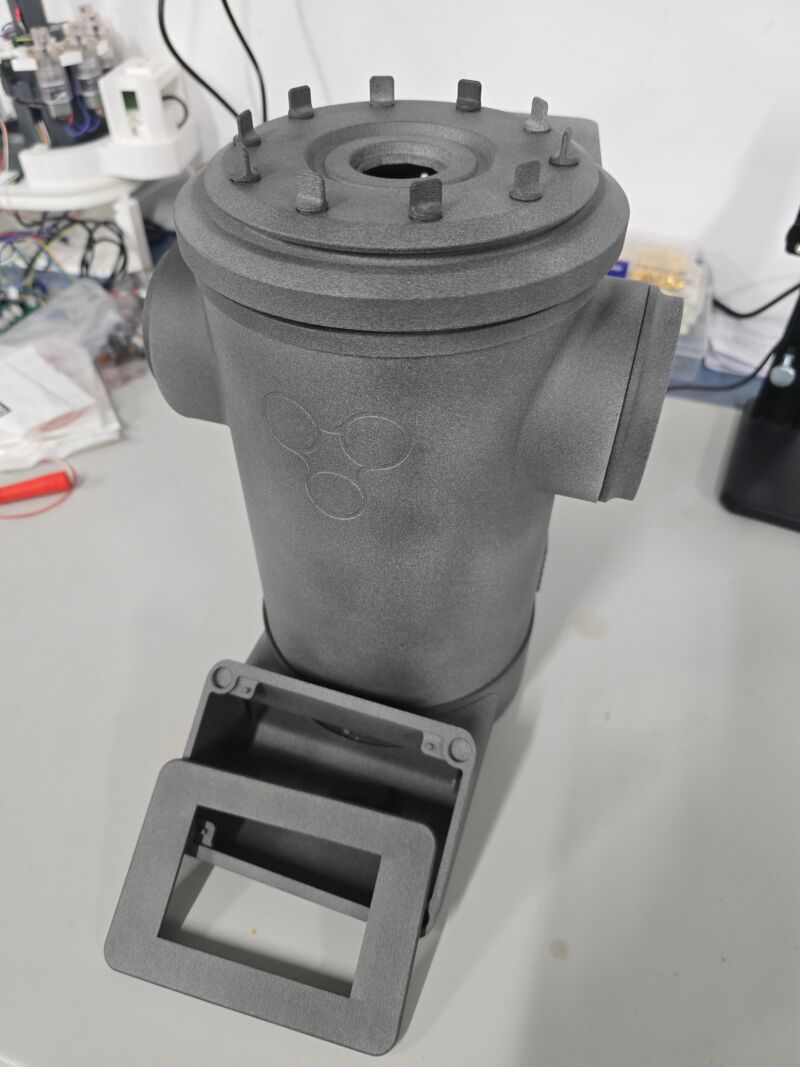
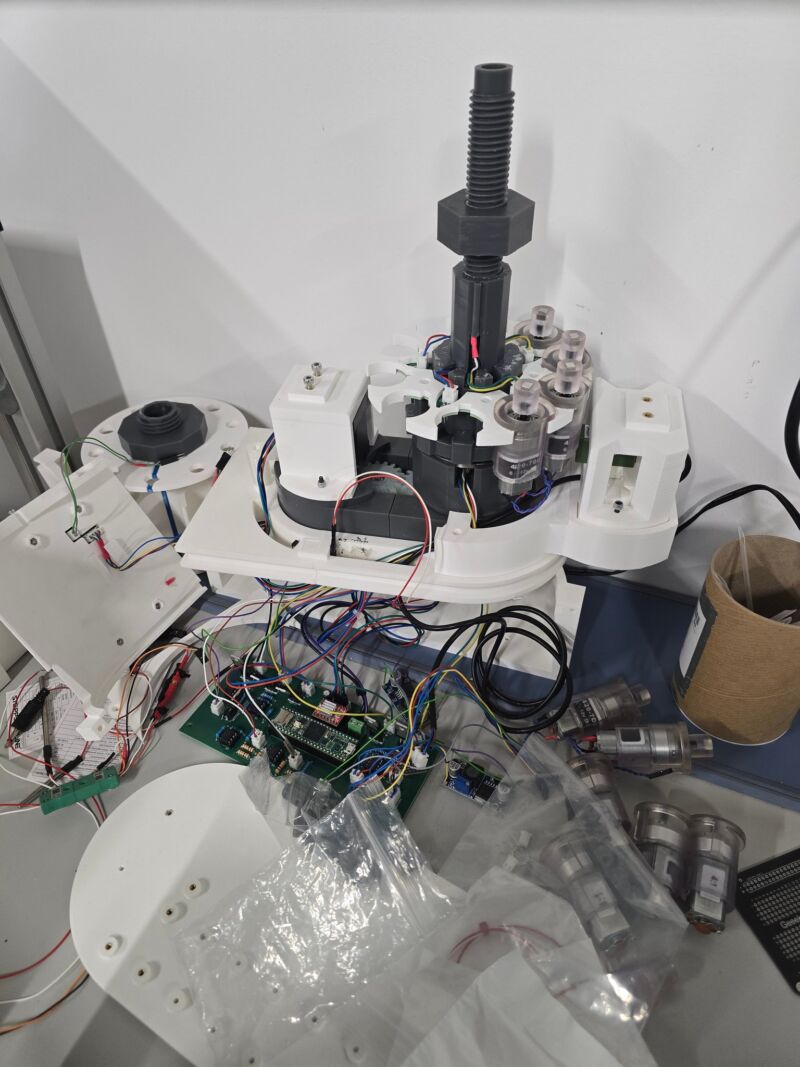
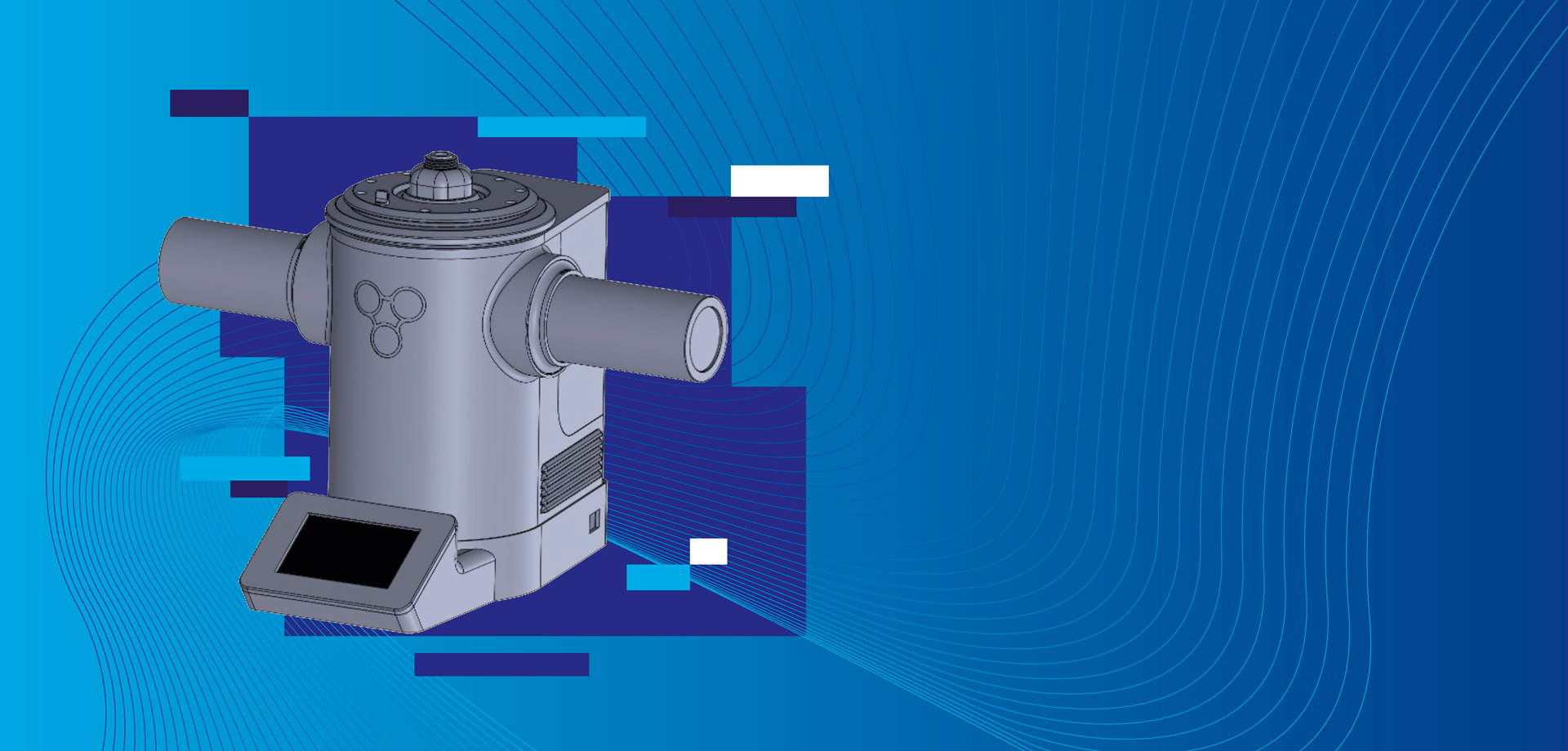
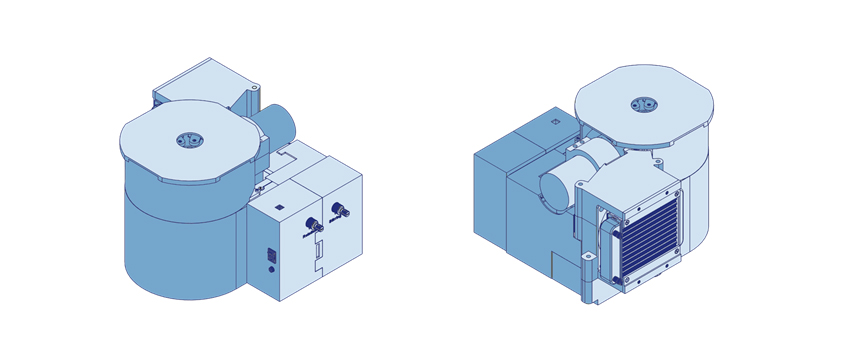
The Photospinner 2.0 enclosure is finally here! 🛠️✨ Designed and manufactured by @AIDIMME. Now it’s time to start the assembly! 🔧🚀 #Photospinner #Innovation #Engineering
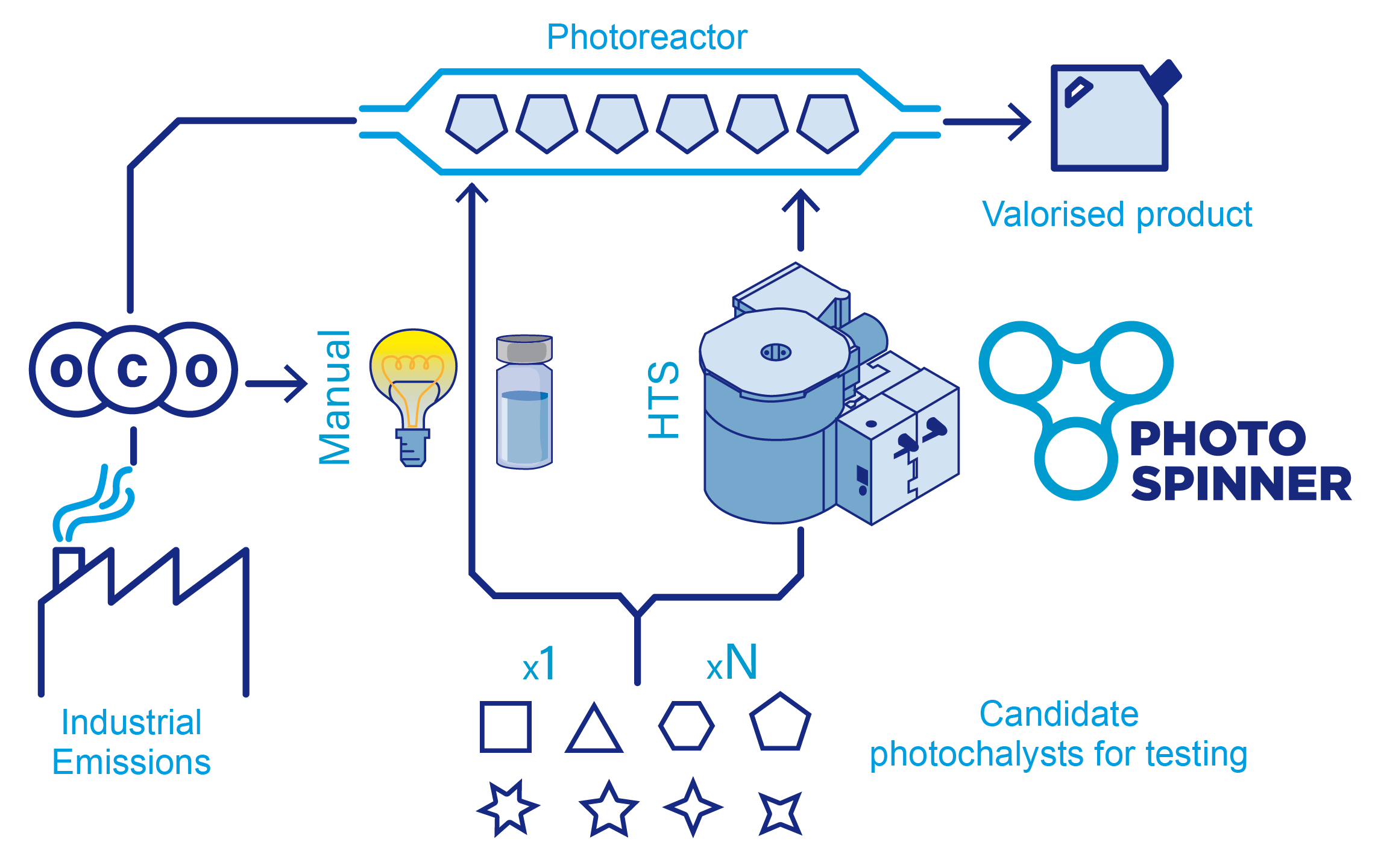
The year is ending with great progress! 🎉🔬 One Photospinner is now at @EderGroup in Vienna; a second one is being tested in Vigo, Spain; and the final model is in development with @AIDIMME. 🚀 More updates soon! 🌍✨
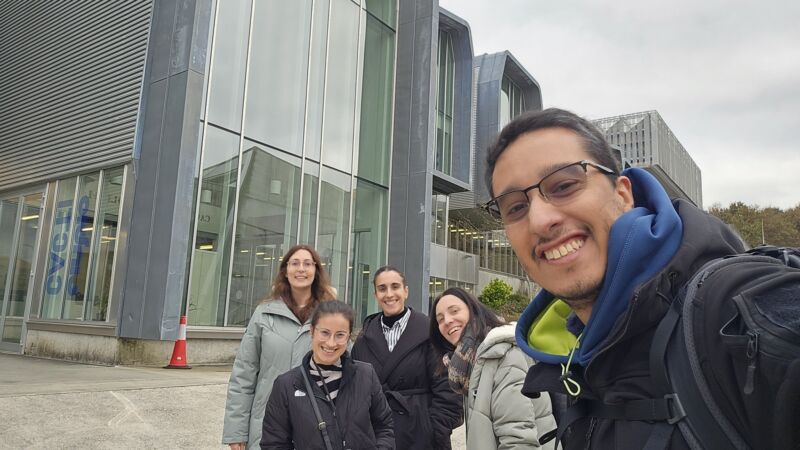
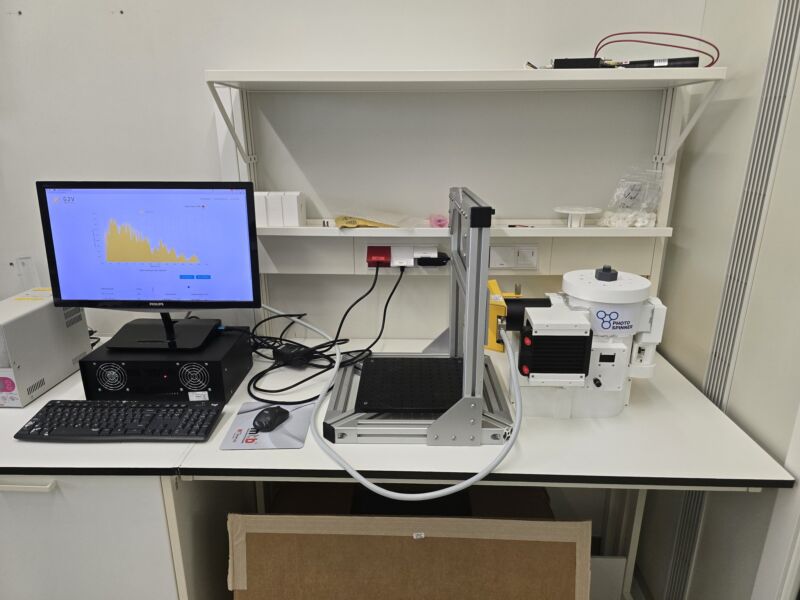
Another Photospinner is now up and running — this time at @cinbio_uvigo with the TNT (TeamNanoTech) group in Vigo, Spain! 🔬✨ Exciting steps forward for our growing network! 🚀🌍 #Photospinner #Innovation #Research