TECHNOLOGY

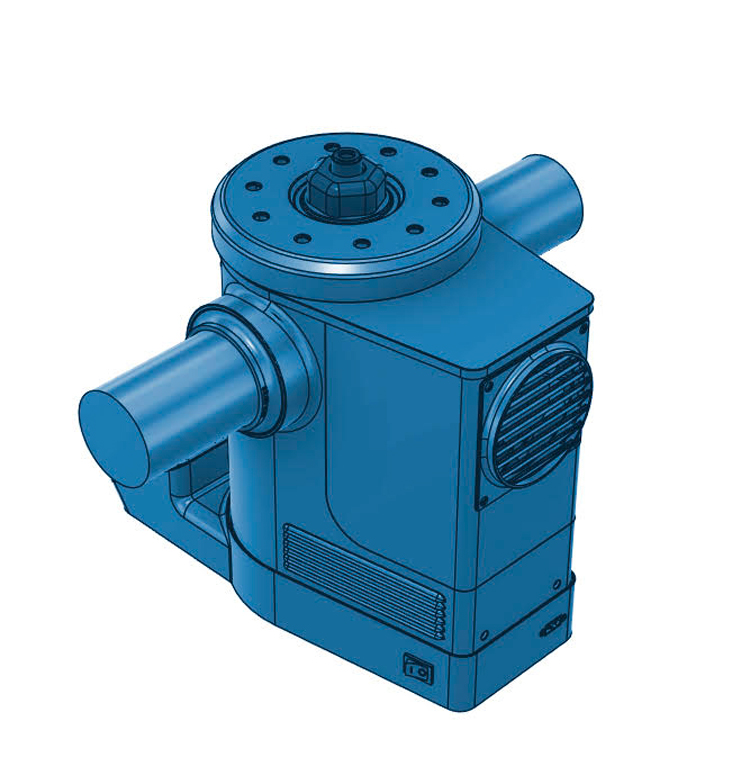
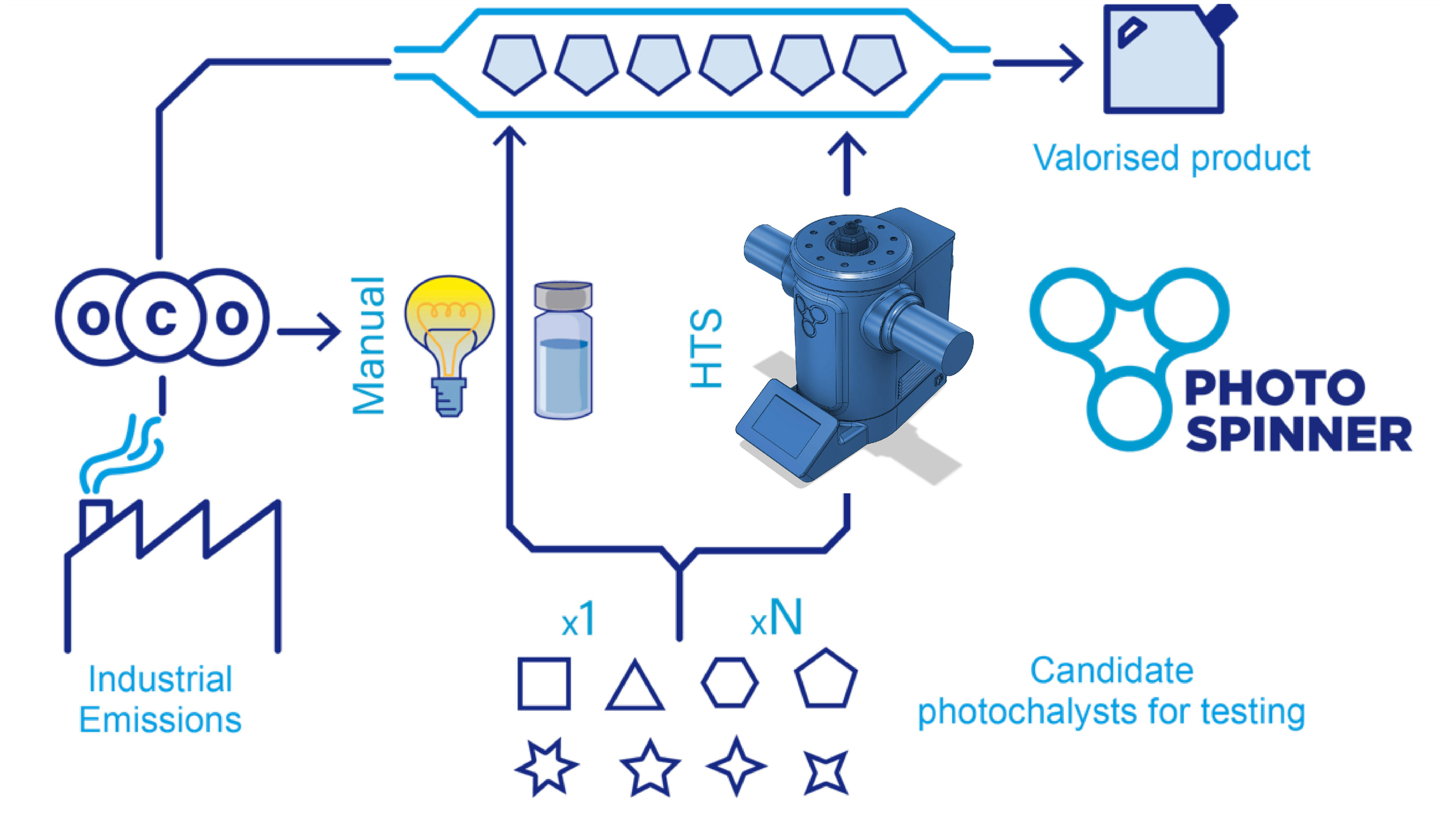
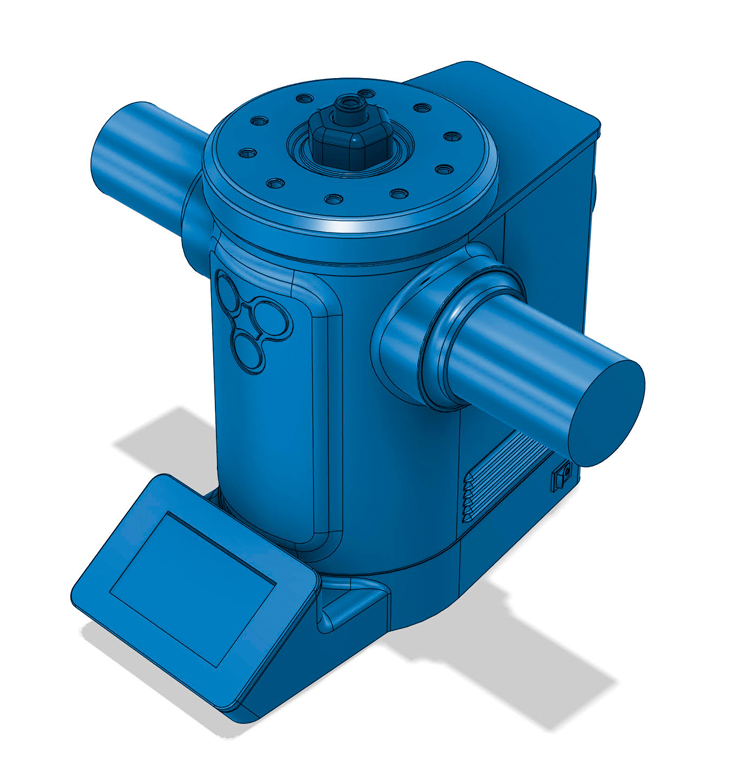
Is a high throughput screening (HTS) photoreactor designed to speed up the discovery and validation of photocatalysts, e.g. for CO2 valorization. Compared to a manual assay (1 photocatalyst) our reactor allows to perform «N» assays at a time. PCT/ES2024/070188
PhotoSpinner has been designed to operate in two modes:
Ideal for short reactions (≤1 h) with maximum irradiation at fixed positions.
Designed for long irradiation times with smooth, uniform exposure.

Discrete

When irradiating multiple samples, achieving identical illumination conditions for each one becomes a major challenge. For short irradiation times, however, the experimental conditions experienced by each sample can be considered effectively constant, making it possible to switch the light source systematically from one sample to another while maintaining identical conditions. In its discrete mode, PhotoSpinner is specifically designed to perform this controlled sample-to-sample exchange automatically.

The Problem of Homogeneous Illumination and Stirring

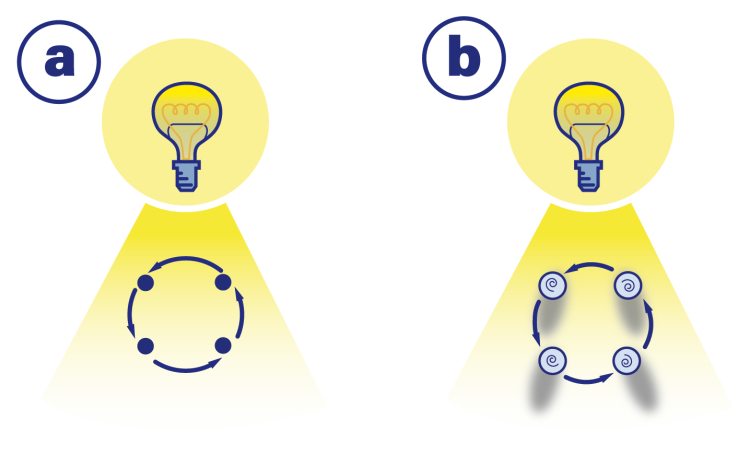
In an HTS photoreactor, it is difficult to illuminate two samples at the same time with exactly the same amount of light, which reduces the reproducibility of the results (A). This problem scales with the number of samples (B). In addition, samples closer to the light source may screen the light received by samples farther away (C).
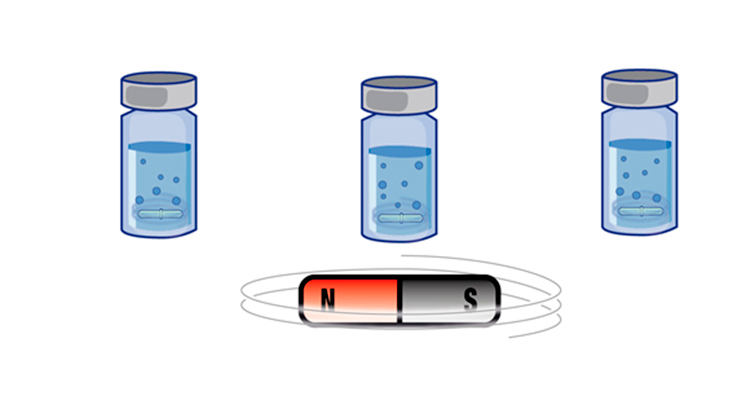
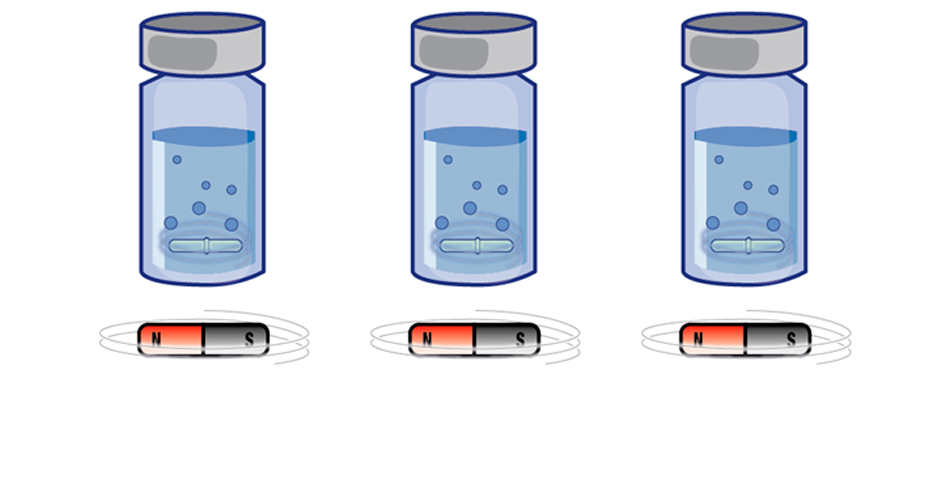
When working with multiple samples, achieving uniform magnetic stirring becomes challenging. Vials located farther from the magnet’s rotational axis (A) experience weaker coupling, which results in slower or intermittent stirring, while samples positioned closer to the center (B) mix more efficiently. This radial dependence leads to concentration differences and uneven dispersion of solids.
Together, these effects make it difficult to ensure that all samples experience the same irradiation and mixing conditions. As a result, reaction outcomes can vary from vial to vial, reducing reproducibility in high-throughput experiments.

Our Solution

In PhotoSpinner the specimen array is radially symmetric and its position is not fixed. The samples describe the same periodic and circular trajectory with respect to the fixed lateral light source (A), repeatedly sweeping through the same positions in space. In this way, the irradiated area is maximized and, for sufficiently long irradiation times, the average distance (and therefore the received intensity) as well as all other experimental conditions, will be the same for all samples.
The homogeneity of the irradiation is further enhanced by the individual stirring of each sample (B), which ensures a consistent suspensions and reproducible dispersion of solid materials such as heterogeneous catalysts.
Animation

A complete approach to reproducible multi-sample photochemistry

Our design ensures that all samples receive the same amount of validating light (learn more).
PhotoSpinner illuminates samples laterally to maximize the irradiated sample area.
Moreover, the system is designed to accommodate almost any type of commercial lamp (learn more), and its axial geometry allows more than one lamp to be mounted simultaneously (learn more). Allowing users to work with the lamps already available in their laboratories greatly facilitates the transferability of results from single-sample experiments to the HTS format
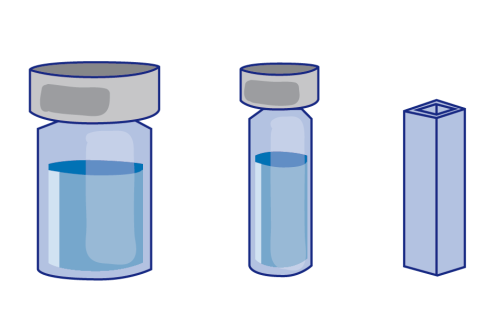
PhotoSpinner readily accepts reaction vessels of multiple size or shape, from small vials to cuvettes and bottles (learn more).
With dedicated stirring for every sample, the system is ideally tailored for heterogeneous catalyst testing, delivering reliable and homogeneous solid dispersions
Its design permits the use of gas reservoirs, enabling reactions that rely on controlled gas atmospheres such as CO₂ reduction or H₂ evolution.
5
change-ph
Its temperature-control module allows reactions to be carried out at a constant and precisely regulated temperature, from near room temperature up to several tens of degrees above ambient, depending on the power and number of lamps used (learn more).